The Roseburg Six v. The Cabal
Written by Thomas Guy
In late 2023, a fight was brewing inside the Douglas County Republican Central Committee.
On the surface, it was a fight about party unity. Underneath it was a much bigger question:
What is a Republican Party supposed to do when Republicans begin questioning their own elected officials?
The Douglas County Republican Central Committee (the DCRCC) is made up of elected Precinct Committeepersons (PCPs) who represent Republican voters throughout the county. Like most political organizations, its mission includes helping elect Republicans.
But some members believed the party had another responsibility: holding Republican officials accountable after they were elected.
That disagreement would eventually tear the organization apart.
The Senate Appointment
The trouble had begun earlier, after Senator Dallas Heard resigned his Senate District 1 seat.
Representative David Brock Smith wanted the appointment. Michaela Hammerson, then Vice Chair of the DCRCC, believed the PCPs should be allowed to consider the candidates and make their own decision.
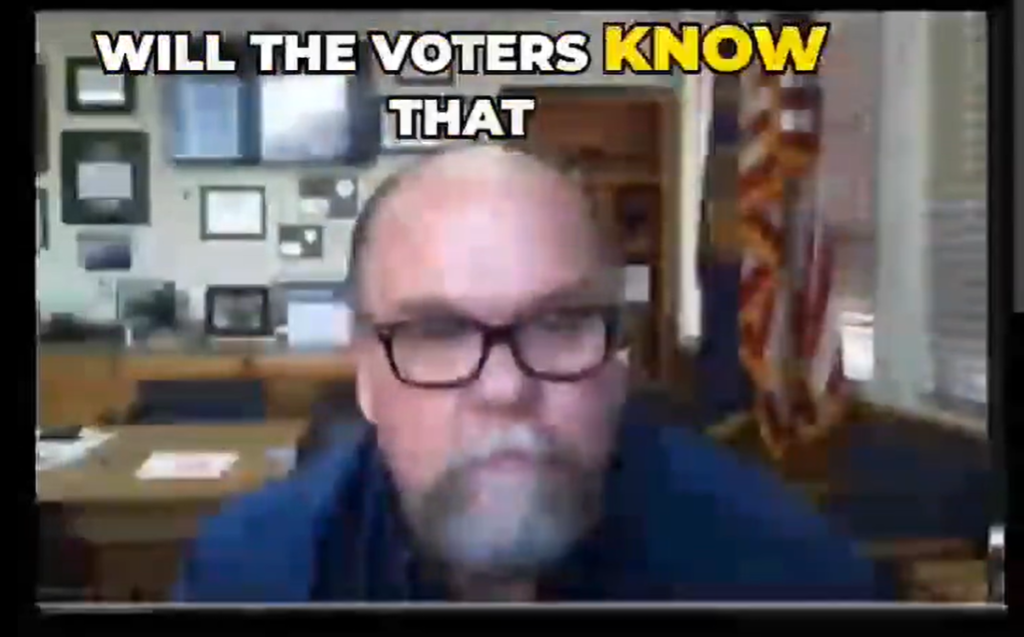
Hammerson later maintained that Brock Smith told her beforehand that he had already been chosen and that his vacated House seat would ultimately go to Douglas County Commissioner Chris Boice’s cousin, Court Boice. Hammerson refused to participate in what she believed was a predetermined arrangement.
What happened next fueled those suspicions.
Douglas County Commissioners Chris Boice, Tim Freeman and Tom Kress participated in appointing Brock Smith to the Senate vacancy. Court Boice subsequently received the vacant House District 1 seat. And Brock Smith went to the Oregon Legislature to try to pass HB244 granting Tim Freeman a two year extension on his term. Elected PCP and DCRCC Executive Board Member, Terry Noonkester wrote about it in the media.
For Terry and other members of the DCRCC, it raised an uncomfortable question:
Were PCPs actually choosing their representatives? Or merely ratifying decisions that powerful people had already made? And what were those officials giving each other in return?
Republicans Begin Questioning Republicans
Over the following months, the disagreement expanded beyond the Senate appointment.
Members began questioning legislative decisions, political relationships, campaign contributions and the use of DCRCC resources.
Those questions increasingly focused on Senator David Brock Smith.
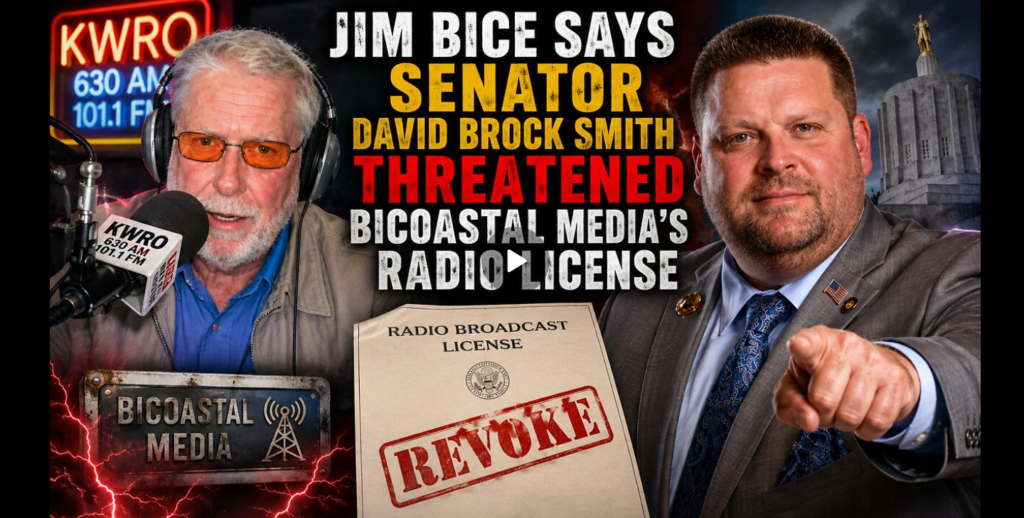
Then conservative radio host Rob Taylor began publicly questioning Brock Smith about his record, campaign contributions and other political relationships. Allegations emerged that Senator Brock Smith was responsible for The Rob Taylor Report subsequently being cancelled, completely taken off the air.
The controversy soon spilled directly into the DCRCC.
A precinct strategy meeting was scheduled where Taylor and Diane Rich would speak. DCRCC Chair Larry Reeves objected to their participation because they were not Republicans and ultimately canceled the meeting.
His stated reasoning exposed the philosophical divide developing inside the organization: the party should concentrate on electing Republicans rather than exposing corruption.
Others fundamentally disagreed.
Terry Noonkester and other members argued that electing Republicans did not eliminate the responsibility to vet them. Internal emails from the period show an increasingly sharp debate between those emphasizing party unity and those insisting on candidate scrutiny and government accountability.
The disagreement was no longer about one senator.
It was about what the DCRCC itself was supposed to be.
The First Recall
In January 2024, the disagreement became a battle for control of the organization.
Chair Larry Reeves issued a notice seeking the recall of Vice Chair Michaela Hammerson.
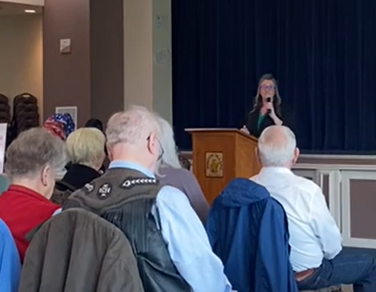
The stated reason was straightforward: Hammerson and the committee she chaired had used DCRCC resources to publicly criticize and oppose elected Republican officials. Reeves argued that this violated the party’s objectives, created division, cost the organization members and distracted Republicans from the goal of electing Republicans. He had compiled a document of each time Senator David Brock Smith had been publicly questioned. Not just by her, but by others in the organization.
Hammerson disputed both the accusations and the procedure being used against her. Her attorney challenged the proposed recall, arguing that the notice was procedurally defective and that its allegations were vague and unsupported.
The recall failed.
But the fight wasn’t over.
It was about to get much bigger.
The Roseburg Six
The next recall didn’t target one person.
It targeted six:
Todd Vaughn.
Michaela Hammerson.
Steve Hammerson.
Loretta Johnson.
Terry Noonkester.
Cathye Dewhirst Curreri.
They became known as the Roseburg Six.
By then, Todd Vaughn had become more than an internal critic. He was challenging David Brock Smith in the Republican primary for Senate District 1.
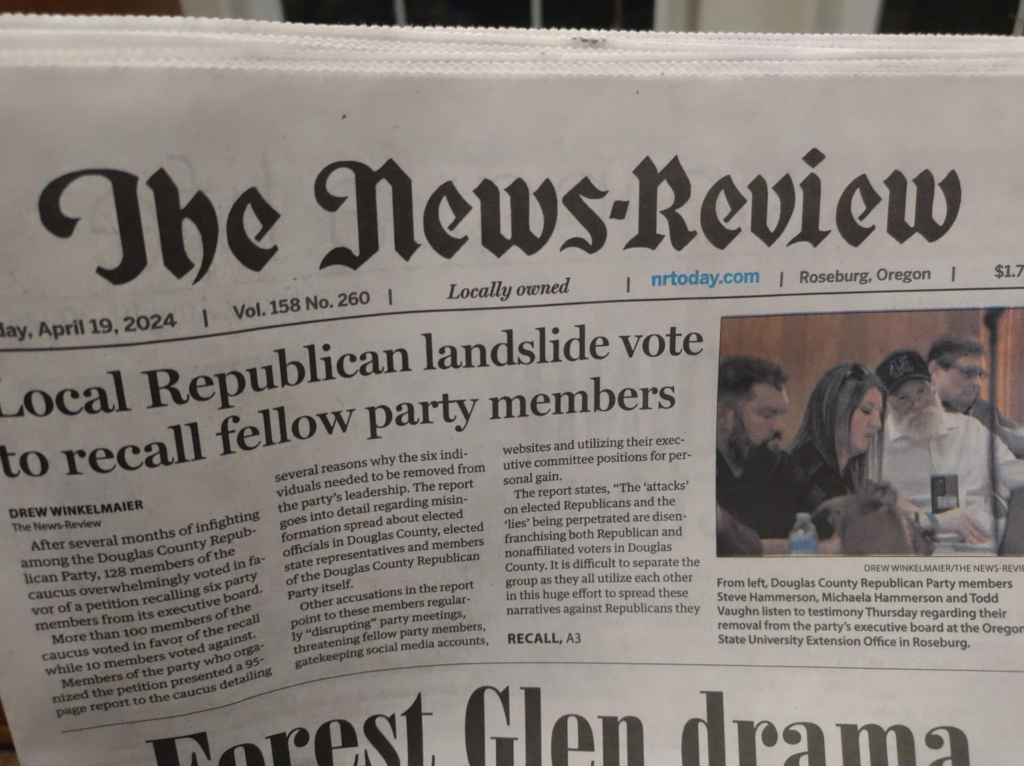
And the battle inside the DCRCC had spilled far beyond the walls of the committee. The DCRCC took an unprecedented step of hiring professional photographers and inviting the media to cover the recall. The photos of this circus would certainly be useful to political opponents in the future.
Thirteen elected officials signed a public letter supporting the removal of the six, including Douglas County Commissioners Chris Boice, Tim Freeman and Tom Kress; Sheriff John Hanlin; Clerk Dan Loomis; District Attorney Rick Wesenberg; Senator David Brock Smith; Representative Virgle Osborne, and others.
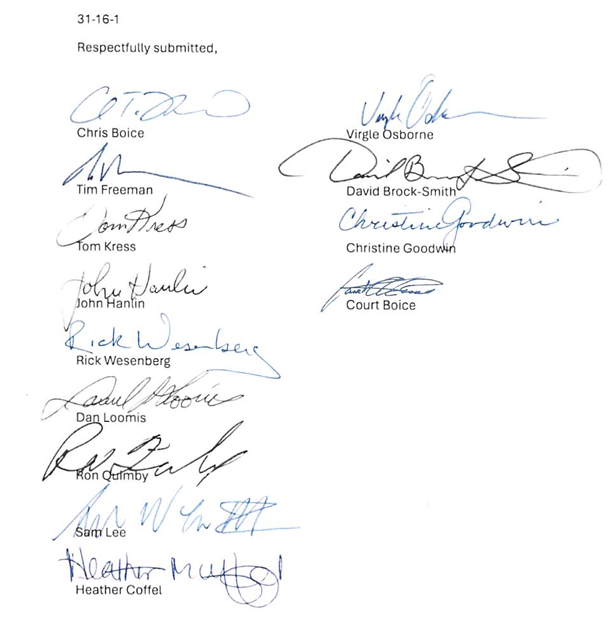
The letter criticized members of the DCRCC who had effectively begun acting as a “watchdog group.”
That description captured the dispute remarkably well.
The Roseburg Six believed Republicans should be willing to investigate Republicans, question Republican officeholders, scrutinize appointments and legislative records, and challenge incumbents in Republican primaries.
Their opponents believed their conduct had crossed the line from accountability into division—that a Republican organization could not effectively elect Republicans while its own leadership was publicly attacking Republican officeholders.
Those were two fundamentally different visions of a political party.
The Recall
In April 2024, the Roseburg Six were recalled from their leadership positions.
The vote settled who controlled the DCRCC.
It did not settle the argument.
Because underneath all the personalities, accusations, emails, meetings and political maneuvering was a question much larger than six people in Douglas County:
Does loyalty to a political party mean supporting its elected officials—or holding them accountable?
For the Roseburg Six, the answer was accountability.
They questioned people they had once supported. They challenged decisions made by powerful Republicans. And when Todd Vaughn decided to challenge an incumbent Republican senator, they defended the right of Republican voters to hear that challenge and decide for themselves.
Their opponents called that division.
The Roseburg Six called it doing their job.
And that is why six Republicans from Roseburg became the center of one of the most bitter fights inside the Douglas County Republican Party.
When the Fight Moved Outside Douglas County
The fight over who represents Douglas County did not end with the recall.
By 2024, another battle was taking shape – battle for Coos, Curry, and Douglas County in the Senate District 1 election.
At the center of it was Todd Vaughn.
Todd Vaughn Challenges David Brock Smith
In 2024, Vaughn, a logger, small-business owner and Republican Precinct Committee Person from Tiller, entered the Republican primary for Oregon Senate District 1.

His most prominent opponent was incumbent Senator David Brock Smith.
Brock Smith had not originally been elected to the Senate seat. After Senator Dallas Heard resigned, county commissioners from Douglas, Coos and Curry counties participated in the appointment process that ultimately elevated Brock Smith from the Oregon House to the Senate.
Vaughn challenged him in the May 2024 Republican primary.
It was not a quiet race.
Vaughn’s campaign openly criticized Brock Smith’s legislative record, including his decision not to participate in the 2023 Republican Senate walkout. Vaughn’s official voters’ pamphlet statement contrasted his own positions with Brock Smith’s and argued that Republican voters should replace the incumbent with a more honest senator.
The campaign escalated beyond ordinary political disagreement.
Brock Smith’s attorney sent cease-and-desist demands to Republican activists supporting Vaughn over allegations they had made about Brock Smith. Then, on Election Day, Vaughn’s campaign filed a lawsuit alleging that Brock Smith had distributed false statements about Vaughn.
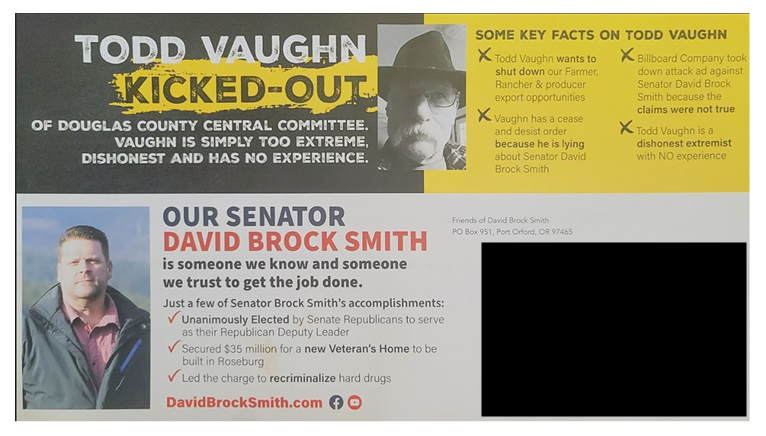
Among the statements challenged in the lawsuit was a claim in Brock Smith campaign mailers that Vaughn had been “kicked out” of the Douglas County Republican Central Committee. The recall months earlier was now a convenient hit piece for Senator Brock Smith.
Vaughn maintained that was false.
Vaughn and The Roseburg Six were not kicked out of the party. They were removed from the Executive Committee. The distinction mattered because something significant had already happened inside the DCRCC.
The Fight Inside the Republican Party
Before Vaughn challenged Brock Smith, Douglas County’s Republican Central Committee had undergone an intense internal struggle over who would control the local party.
The DCRCC is not simply a Republican social club.
Under Oregon law, the elected Republican Precinct Committee Persons in a county constitute that county’s Republican Central Committee. The Central Committee is the highest Republican Party authority for county party matters not otherwise controlled by state law.
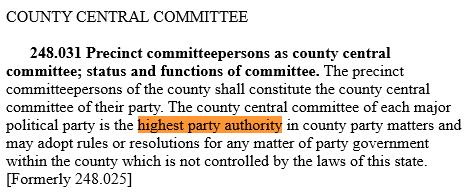
That means the people elected as PCPs have real authority.
They choose the local party leadership.
And in Douglas County, control of those positions became fiercely contested.
As divisions within the committee grew, the DCRCC changed its bylaws. Those changes affected the internal structure of the organization and the power exercised by its elected members.
The change was part of the struggle over the direction of the county Republican organization and the PCPs who would ultimately determine its leadership.
And the upcoming election was critical.
Floats for Votes
One of the more unusual events of the 2024 primary became known as Floats for Votes.
On May 11, the DCRCC asked volunteers to staff what it called its “voter registration/ballot harvesting booth” at The Landing Senior Living Community in Roseburg. The event would take place May 17—just four days before Election Day.
That afternoon, Senator David Brock Smith, Representative Virgle Osborne, Sheriff John Hanlin and Douglas County Clerk Dan Loomis were advertised as serving root beer and Orange Crush floats.

The timing mattered.
Brock Smith was in a contested Republican primary against Todd Vaughn, one of the Roseburg Six. Loomis had only months earlier joined other elected officials in signing the letter supporting the effort to remove Vaughn and the other five from DCRCC leadership.
Now Loomis was being promoted at a partisan GOTV event alongside Vaughn’s opponent, while serving as the county official responsible for receiving, processing and counting the ballots in their race.
The same DCRCC email made the overlap even more striking: while recruiting volunteers for its “ballot harvesting booth,” it also recruited Republican election observers and instructed them to return their observer agreements directly to Loomis.
There is no evidence that Loomis personally collected ballots at the event. That wasn’t the point.
The county clerk had publicly entered the political dispute involving Todd Vaughn and was now advertised alongside Vaughn’s opponent at a partisan GOTV event during the election he was responsible for administering.
It was called Floats for Votes.
And it was another example of how difficult it had become to separate the institutions of Douglas County government from the political battles surrounding them.
Ultimately, the tactics appeared to be successful. Todd Vaughn lost his race, securing Senator Brock Smith’s position with the rest of the Douglas County incumbents.
Then Came the Organizational Meeting
The primary election determined something besides who would advance to November.
Republican voters also elected their Precinct Committeepersons.
Those newly elected PCPs would constitute the Douglas County Republican Central Committee and choose its next leadership.
That made the organizational meeting enormously important.
But there was a problem before the meeting ever began.
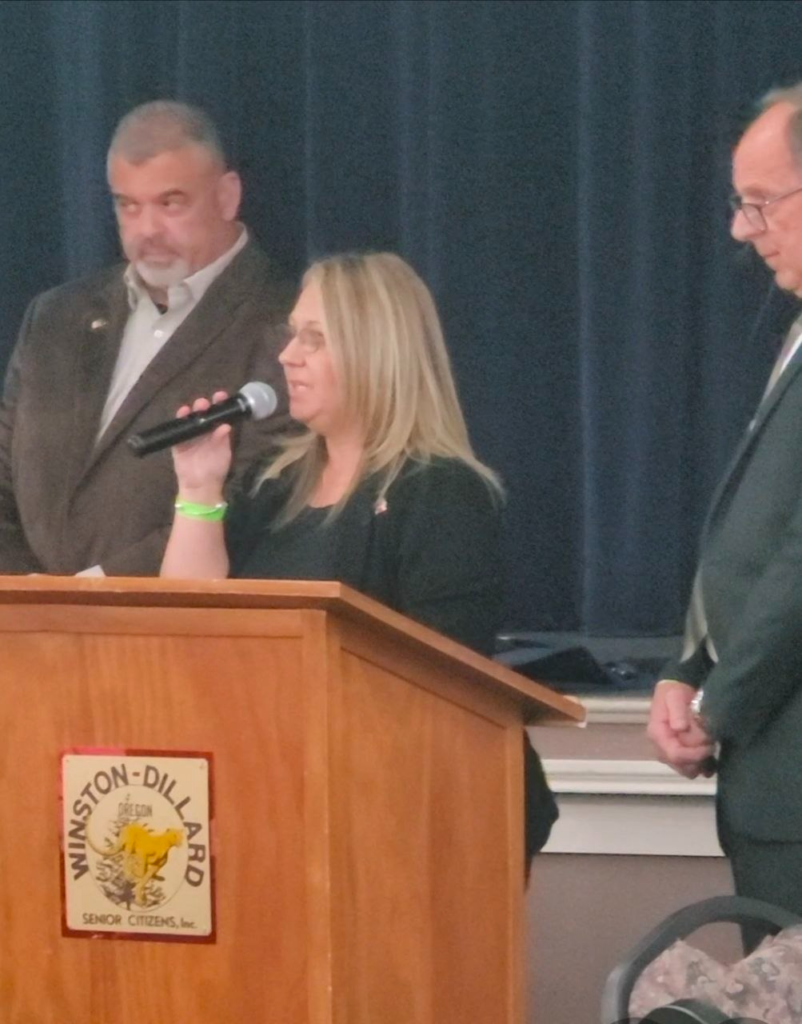
DCRCC Secretary Sheri Brady, one of the petitioners and accusers in the recall against the Roseburg Six, had not sent notice of the organizational meeting to every PCP entitled to receive it. Curiously, many of the supporters of the Roseburg Six had not received notice of the meeting.
This was not merely an accusation raised afterward.
According to the account of the meeting, Brady acknowledged during the meeting itself that notice had not been sent to every PCP.
That should have presented a straightforward factual question: Was notice sent to every PCP?
Instead, the PCPs present were asked to vote on the answer.
Despite Brady’s acknowledgment that every PCP had not been notified, those in attendance voted to find that proper notice had been provided.
That distinction is important.
A parliamentary vote can determine what an organization will do. It can adopt bylaws, elect officers, approve minutes or decide how to proceed after discovering a procedural defect.
But a vote cannot change an historical fact.
Either notice was sent to every required recipient, or it wasn’t.
The members present could vote to proceed despite the defect, even though it specifically violated the Bylaws and created an unfair election. They could vote to waive an objection if the governing rules permitted it. They could vote on their interpretation of what constituted legally sufficient notice.
What they could not do was retroactively cause an email or notice to have been sent to someone who never received one.
Yet the effect of the vote was to create an official organizational determination that notice had been properly given even after the secretary responsible for giving that notice acknowledged otherwise.
For critics of what happened that night, this was more serious than a technical procedural dispute. They viewed the vote as an attempt to create an official record that contradicted the underlying facts.
And the consequence wasn’t theoretical.
The PCPs who did receive notice and were present were then able to decide who would control the Douglas County Republican Party. The PCPs who were denied notice by Secretary Brady were not present and did not have an opportunity to vote.
The Change in Control
The result was a fundamental change in the DCRCC.
The grassroots faction that had challenged incumbent Republican officeholders lost control of the organization, while the faction aligned with established Republican officeholders emerged with control of the county party.
Among the figures involved in that new leadership structure was Trent Drake.
Drake was not disconnected from the political network involved in the preceding events. He had worked as Virgle Osborne’s campaign manager and later became his Co-Star on podcast On The Virg, where they regularly promote the incumbent elected officials, locally known as The Cabal.
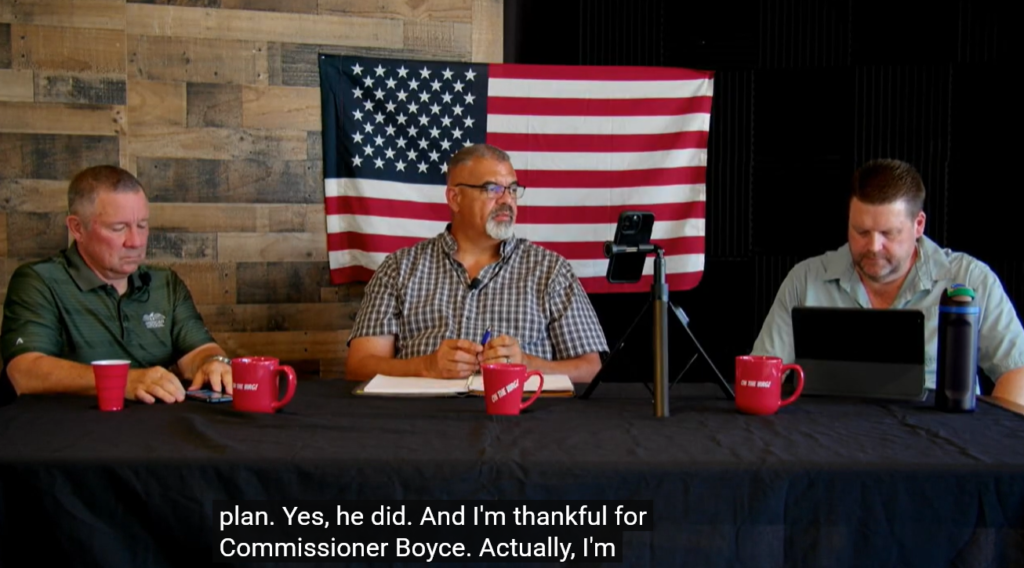
Supporters of the new leadership claim they did nothing wrong. They characterize the event as an internal party election conducted by the PCPs who attended.
Its opponents saw something very different: an establishment takeover in which the people who controlled the process used that process to consolidate control of the party.
But there is one question that does not depend upon either faction’s interpretation:
If Republican voters elect PCPs to govern their county party, should every duly elected PCP receive notice before the meeting at which that party’s leadership is decided?
That is ultimately what makes the organizational meeting important.
It wasn’t simply about who won.
It was about who was given the opportunity to vote.
The Battle for Umpqua Transit
The political fight in Douglas County did not remain inside the Republican Central Committee.
Its next battleground was an elected public agency: the Umpqua Public Transportation District.
UPTD is not a department of Douglas County government. It is an independent special district governed by seven directors elected by the public.
That distinction would eventually become important.
Because between 2024 and 2026, a remarkable collection of political, governmental and nonprofit relationships would converge around the district.
A District in Crisis
UPTD entered 2024 with serious problems that predated the board that would eventually be blamed for them.
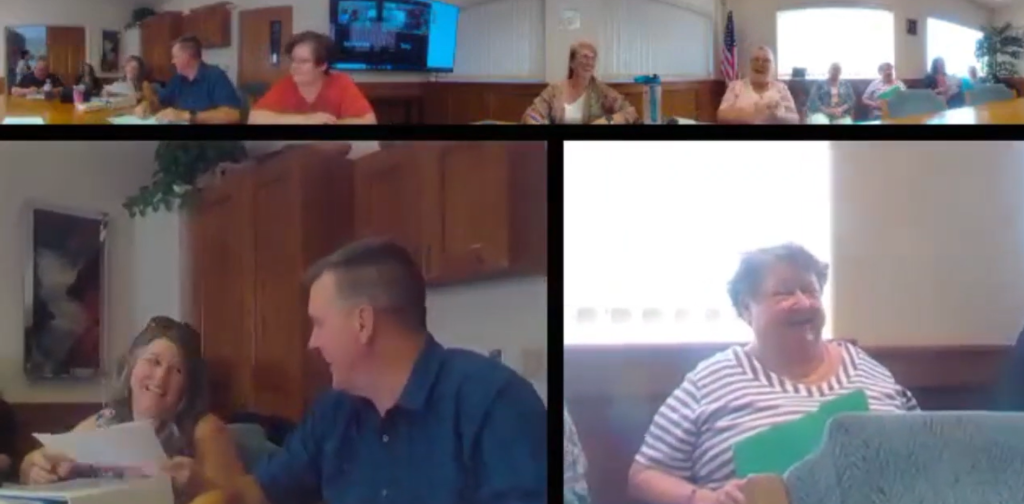
Financial and compliance problems had surfaced. The district became embroiled in disputes with the Oregon Department of Transportation. Executive employees departed. And between May and September 2024, five of the district’s seven long-serving directors resigned.
The departures created an extraordinary leadership vacuum.
Michaela Hammerson became chair of the UPTD board in June 2024, in the middle of that turmoil.
But almost immediately, a public narrative emerged about why the directors were leaving.
David Brock Smith Blames Michaela Hammerson
State Senator David Brock Smith entered the controversy publicly.
During the period of resignations, Brock Smith appeared on local radio (KQEN) and attributed the departures to Hammerson’s leadership, portraying her as divisive and suggesting that her conduct had driven board members away.
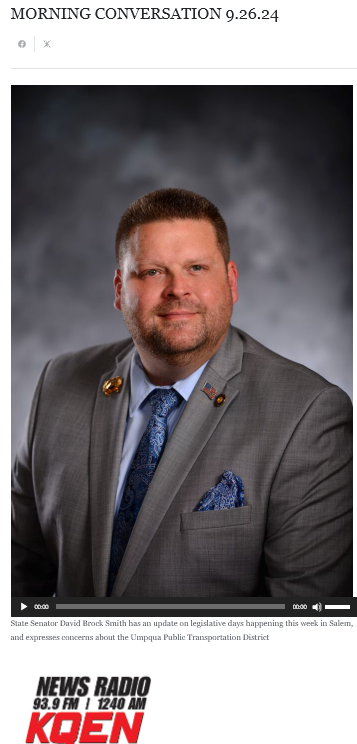
He was given a public platform to make that accusation more than once.
KQEN and The News Review are famously owned by a business partner of Commissioner Chris Boice. Locals have frequently raised concerns about the appearance of impartiality in reporting coming out of these news outlets.
There was a major problem with the narrative that Senator Brock Smith was crafting:
One of the people whose resignation was being attributed to Hammerson said it wasn’t true.
Former UPTD Chair Tom Trotter decided to correct the record himself.
On October 15, 2024, Trotter wrote directly to KQEN after learning of Brock Smith’s discussion of UPTD and the resignations. He specifically addressed the claim that he and other directors had resigned because of Hammerson.
Trotter was unequivocal about his own resignation:
“I can say emphatically that it was a pleasure working with Michaela Hammerson and that my resignation was in no way related to Michaela Hammerson.”
He explained that he resigned because of personal factors; the stress of serving on the board and its effect on his health and family relationships. He went further, saying that although he could not speak for every other director, he believed the board had “worked well together.”
That letter is significant because Trotter wasn’t an outside political supporter trying to reconstruct events later.
He was the former chairman whose resignation was being discussed.
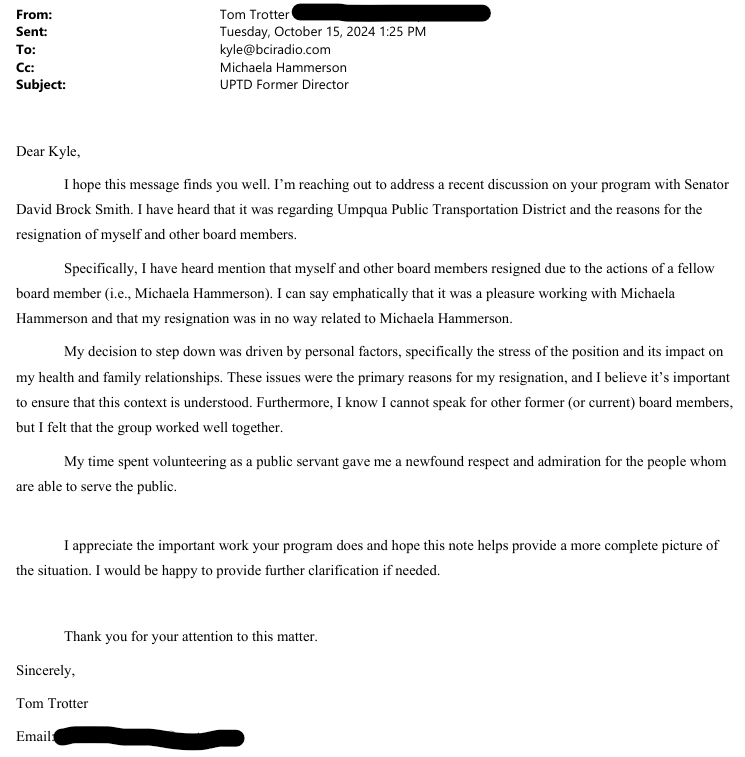
Yet the correction never received the exposure the original accusation had received. According to Hammerson, neither KQEN nor The News-Review published Trotter’s account to correct the public narrative.
So Douglas County residents heard the accusation.
They did not hear the response from the former chairman whose resignation had been invoked to support it.
Rebuilding UPTD
The remaining board still had a transit district to operate.
UPTD faced staffing problems, financial pressure and an increasingly adversarial relationship with ODOT. Just after the mass resignations on the board, in August 2024, ODOT demanded repayment of $252,990 involving three electric-vehicle charging stations that had already been reimbursed nearly a year earlier.
UPTD disputed that demand.
The later request for federal investigation submitted by Hammerson recounts that the chargers had been ordered in 2022, delivered and approved/reimbursed in 2023 by ODOT, and that UPTD’s September 2024 response disputed ODOT’s basis for reversing eligibility.
ODOT had already approved and reimbursed the charges. Why were they demanding repayment after all this time?
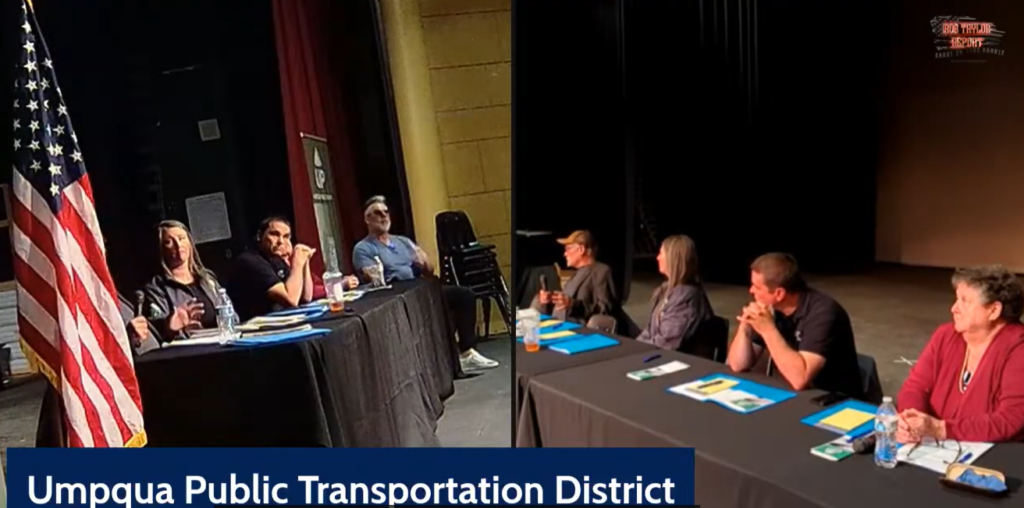
The sudden liability forced the district to consider service cuts and furloughs. Those assertions were subsequently presented to federal authorities as part of Hammerson’s request that ODOT’s conduct be independently investigated.
The board eventually hired businessman and political activist Ben Edtl to lead the district.
Edtl wasn’t a career transit administrator. He came from private business and political consulting.
That decision became another source of controversy.
But another fact matters just as much:
The people who selected him were the directors legally responsible for governing UPTD, and Chair Hammerson abstained from the vote to hire Edtl.
And by 2025, control of that board itself would become the issue.
The Nonprofit Network Around UPTD
This is where the institutional relationships become important.
The people running in the 2025 UPTD election weren’t operating only in electoral politics.
Many also occupied positions in Douglas County’s nonprofit and economic-development infrastructure.
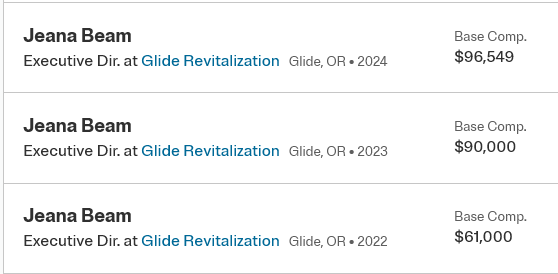
ProPublica’s Nonprofit Explorer, which republishes IRS Form 990 information, shows that Jeana Beam served as executive director of Glide Revitalization. Its filings report her compensation increasing from $61,000 to $90,000 and then $96,549 in the available years.
Natasha Atkinson occupied another part of that network.
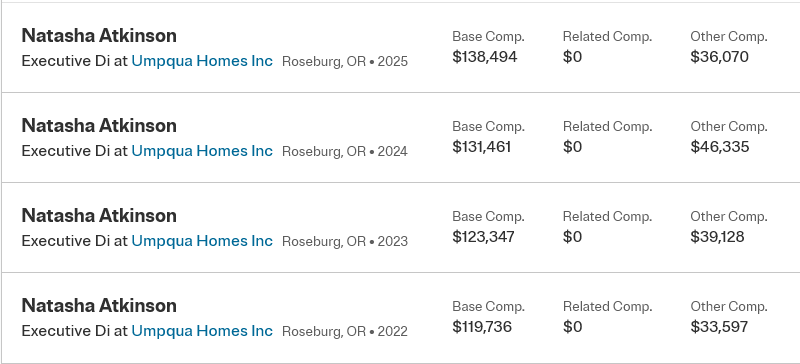
ProPublica records identify her as executive director of Umpqua Homes Inc., a nonprofit with more than $10 million in annual revenue in its 2024 filing. The organization reported $131,461 in direct compensation to Atkinson plus $46,335 in other compensation for that fiscal year; the following filing reports $138,494 plus $36,070.
Atkinson also appears as president of Douglas Housing Alternatives in its nonprofit filings.
But the most important connection for this story comes from Atkinson herself.
When she applied for an appointment to the UPTD board in May 2024, she listed her nonprofit experience and identified herself as executive director of Umpqua Homes. She also disclosed that she simultaneously served on the boards of the Oregon Resource Association, Douglas Housing Alternatives, Umpqua Economic Development Partnership, and Fairway Estates HOA.
UEDP therefore wasn’t a connection that appeared years later.
Atkinson was already sitting on its board while seeking a seat governing UPTD.
And UEDP had its own long-standing relationships with Douglas County government.
Virgle Osborne Enters the UPTD Election
In 2025, UPTD held elections for several board positions.
Normally, a special-district transit election might attract little attention outside the transportation community.
This one became political.
State Representative Virgle Osborne publicly promoted a slate of candidates challenging the existing direction of UPTD. Among those candidates was Natasha Atkinson.
His podcast, On the Virg, hosted Natasha Atkinson and the rest of her slate. In the interview, Natasha claimed that UPTD was out of compliance with ODOT. The problem? It wasn’t true.
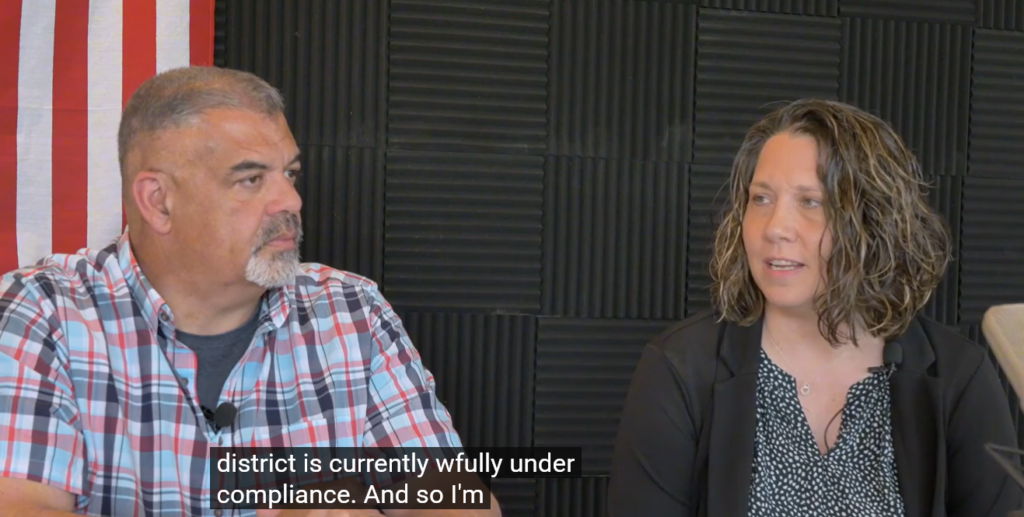
Virgle Osborne would later correct the record, stating that he had not known that UPTD had actually reached compliance under the short-term leadership of Ben Edtl.
But it was too late. The false narrative had reached the voters just as ballot dropped. The nudge needed to influence voters was securely in place.
And once again, the same political world that had fought over the Douglas County Republican Central Committee was now focusing attention on an independently elected transit board.
The Commissioners and UPTD
As the controversy intensified, the Douglas County commissioners themselves became part of the public discussion.
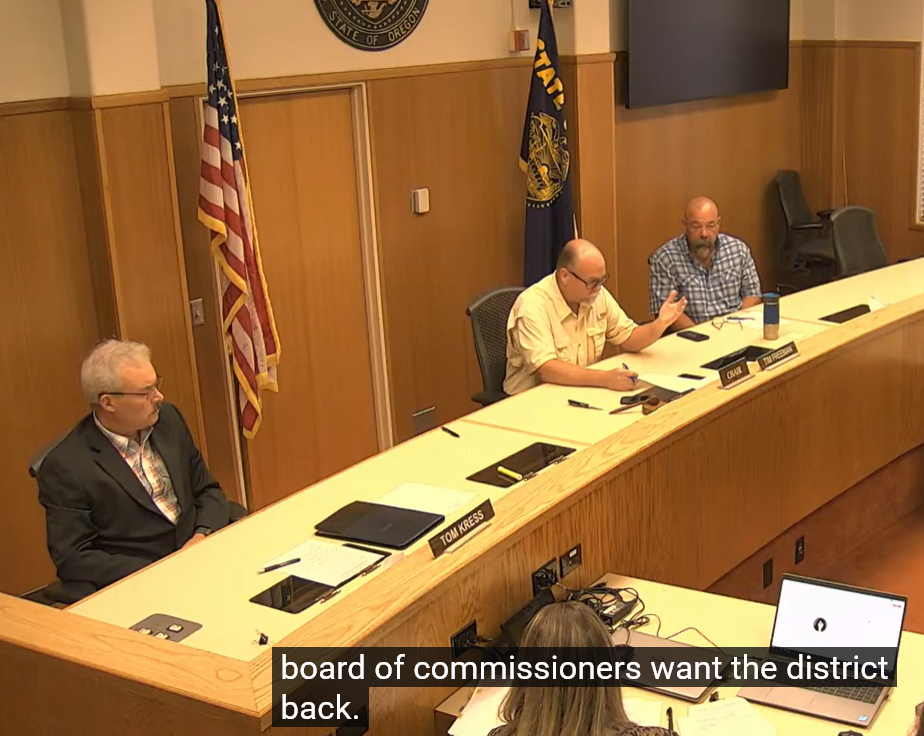
Commissioners Chris Boice, Tim Freeman and Tom Kress eventually issued an unusual public statement denying involvement in UPTD’s problems. They said they had not been involved in the election of UPTD officers, were not attempting to take over the district and would not assume responsibility for operating transit service if UPTD failed.
Those denials belong in this history.
So does the fact that they felt it necessary to issue them.
Because by then the fight over UPTD wasn’t merely about buses, grants or accounting.
It involved elected UPTD directors, a state senator, a state representative, county commissioners, nonprofit executives, UEDP and eventually the county clerk.
And one particular election would bring several of those threads together.
The Election That Wasn’t Certified
Natasha Atkinson ran for UPTD Position 4.
Her opponent was Todd Vaughn.
It was the same Todd Vaughn who had challenged David Brock Smith for the Oregon Senate and who had been involved in the earlier struggle inside the Douglas County Republican Central Committee.
The Position 4 election became disputed after the reported result changed between election night and the final count during an unprecedented reporting black-out.
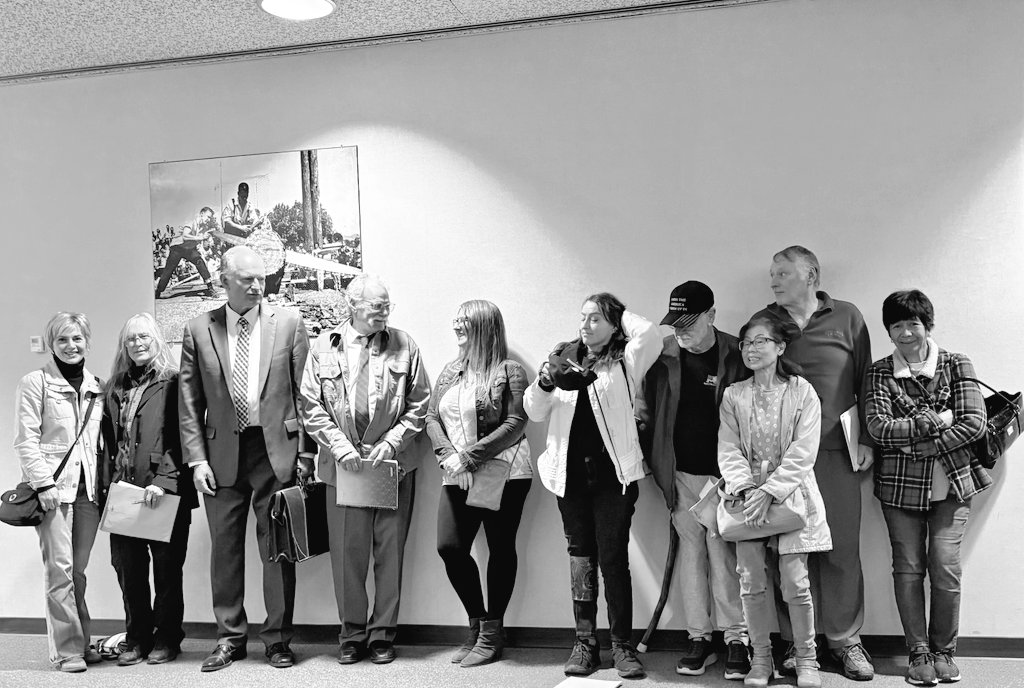
Vaughn challenged the election in court.
UPTD ultimately refused to certify the Position 4 result while the litigation was pending.
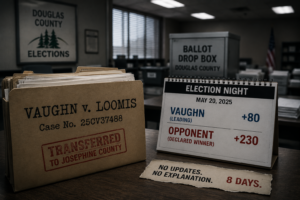
The litigation centered in part on 287 ballots that had reportedly passed signature verification but were not included in the tabulation.
And suddenly the fight over control of UPTD had become:
Vaughn v. Loomis.
The defendant was Douglas County Clerk Dan Loomis—the official responsible for administering the election.
That brought yet another familiar institution back into the story.
Dan Loomis and UEDP
The UPTD election brought Dan Loomis back into the story.
And with him came another organization whose name would appear repeatedly in the years ahead:
The Umpqua Economic Development Partnership.
Years before Loomis became Douglas County Clerk, he had been a candidate for Douglas County Commissioner.
In 2018, Loomis was running for the seat eventually won by Tom Kress. Late in the campaign, Loomis withdrew and endorsed Kress. Contemporary reporting confirms that sequence.
Then Loomis got a new job.
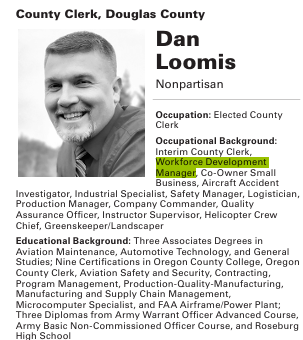
He became Workforce Development Manager for UEDP. By September 2019, when Loomis announced that he was seeking the office of Douglas County Clerk, he identified UEDP as his current employer.
But UEDP wasn’t disconnected from county government.
Its IRS filings reveal that Douglas County Commissioner Chris Boice was serving in UEDP’s governing structure during this period.
The organization’s 2018 Form 990 identifies Wayne Patterson as executive director, Dave Sabala as chairman, and Boice as a member of UEDP’s executive committee. The 2019 filing again lists Boice on the executive committee.
The timing raised an obvious question.
Had Loomis simply found a new job after leaving the race?
Or had a position been created for him?
Questions about Loomis’s time at UEDP would surface again years later, including allegations that the position had been created specifically for him and disappeared after he left.
Those allegations have not been established as fact. What is documented is the sequence: Loomis withdrew from the 2018 commissioner race, endorsed Tom Kress, went to work for UEDP, and approximately ten months later left UEDP to become Douglas County Clerk.
The records establish what happened.
Why it happened remains a matter of dispute.
What happened next, however, is undisputed.
From UEDP to the Clerk’s Office
In 2019, longtime Douglas County Clerk Patricia Hitt retired.
Three people applied to replace her.
Two already worked in the Clerk’s Office.
Rosemarie Wess was the Chief Deputy Clerk and had worked for Douglas County since 2000. Andrew Taylor was the Clerk’s Office Manager. Hitt herself had asked the commissioners to select Wess as her successor.
The third applicant was Dan Loomis.
Loomis had no experience working in the Clerk’s Office. He was coming from his newly held position at UEDP.
The commissioners chose Loomis.
Tim Freeman and Chris Boice voted unanimously to appoint him interim Douglas County Clerk.
Tom Kress, the commissioner Loomis had endorsed after withdrawing from the race the previous year, was absent.
The sequence would become important years later.
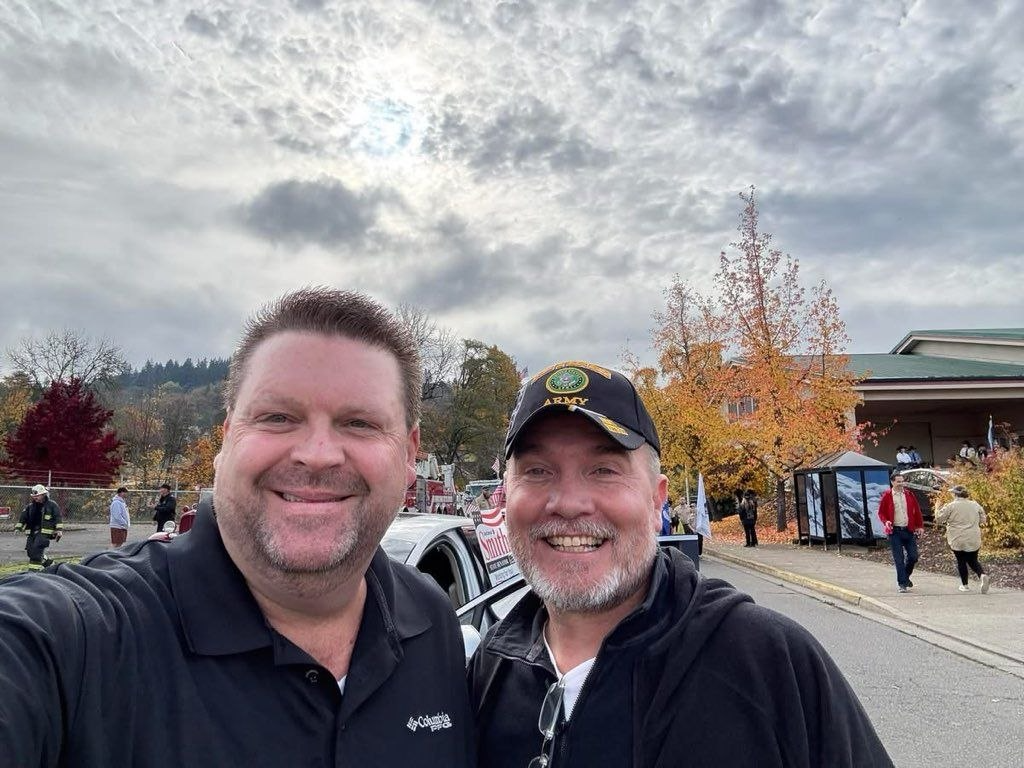
Loomis had withdrawn from the commissioner race and endorsed Kress.
He then went to work for UEDP, whose governing structure included Commissioner Chris Boice.
Then Freeman and Boice selected Loomis over two existing Clerk’s Office employees to become the official responsible for administering Douglas County’s elections.
Loomis subsequently won election to the office himself.
And in 2025, he would administer the UPTD race between Todd Vaughn and Natasha Atkinson.
That election would eventually become Vaughn v. Loomis.
But UEDP’s connection to the UPTD story was only beginning.
Jeana Beam and Natasha Atkinson Were Already Connected
When Natasha Atkinson and Jeana Beam emerged as central figures in the battle over UPTD, they weren’t strangers brought together by the transit district.
They were already connected through UEDP.
The organization’s IRS filing for the fiscal year ending June 2024 identifies Jeana Beam as a UEDP director.
On the same filing, just a few names later, appears Natasha Atkinson—also a UEDP director.
That relationship predated their eventual service together on UPTD.
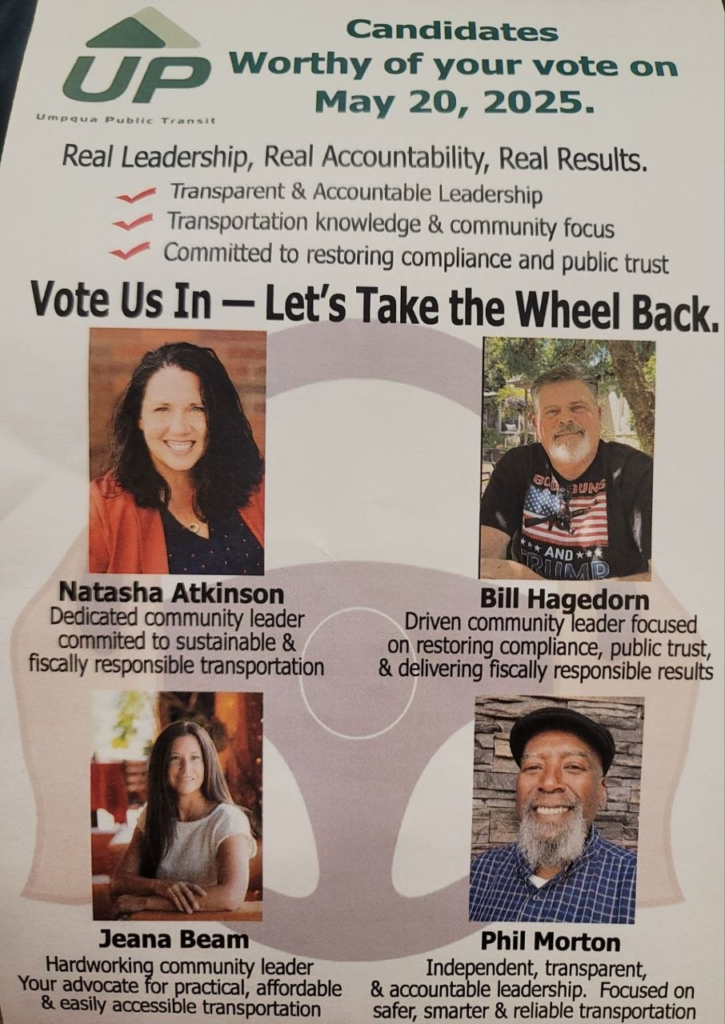
Atkinson also disclosed the connection herself when she applied for appointment to the UPTD board in 2024, identifying UEDP among the organizations on whose boards she served.
Then came the 2025 election.
Atkinson ran against Todd Vaughn for UPTD Position 4.
Beam ran for Position 6.
State Representative Virgle Osborne publicly promoted the slate seeking to change the direction of UPTD.
Beam won her election.
Atkinson’s race became disputed.
Eventually, Beam became chair of the UPTD Board.
And on August 27, 2025, Beam swore Atkinson into office while the Position 4 election challenge was still unfolding in the court. At that same meeting, Atkinson made the motion designating Beam as UPTD’s primary point of contact for the Secretary of State investigation into the district. Later, Atkinson would become Vice Chair, and Beam would become a paid member of UEDP.
The two women who had previously served together on UEDP’s board now occupied positions of authority together at UPTD.
Then came RLS.
The RLS Report
ODOT commissioned RLS & Associates to conduct a compliance review of UPTD. The timing was strange because ODOT had just declared 6 months earlier that UPTD had reached full compliance. A secondary report after a change in leadership was enough to raise eyebrows.
By then, the district had undergone an extraordinary transformation.
Most of the directors who had governed UPTD during the period behing examined had achieved compliance with ODOT and were now gone.
Ben Edtl was gone.
Michaela Hammerson was no longer chair.
The board had been replaced with four new members.
And the people now speaking to investigators about what had happened, were people who had not served through the time in question. Of those driving the RLS interviewers, were two recently elected directors who had previously served together on the board of UEDP:
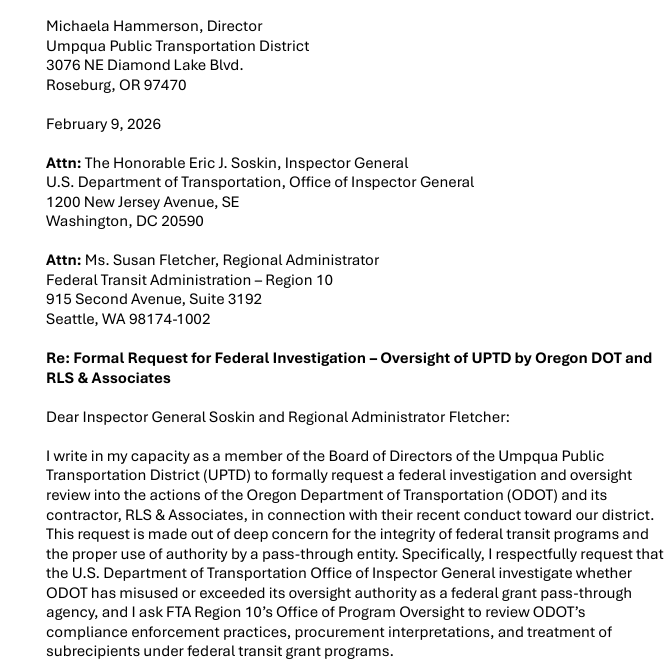
Jeana Beam and Natasha Atkinson.
The resulting RLS report contained serious allegations involving UPTD’s former leadership, including allegations concerning fraud, false claims, political activity, hiring practices, credit-card expenditures and other purported misconduct.
Those allegations quickly escaped the confines of an ordinary transit compliance review.
The report reached the media.
It became the basis for damaging stories about UPTD’s former leadership.
And according to Hammerson’s later request for federal investigation, the RLS Report reached Douglas County Clerk Dan Loomis and members of the media before the UPTD Board itself received it.
Both UPTD and ODOT reportedly denied providing it to the media. But an investigative journalist, Oceanplot, uncovered that an early request for that had been made by an incumbent Republican Representative.
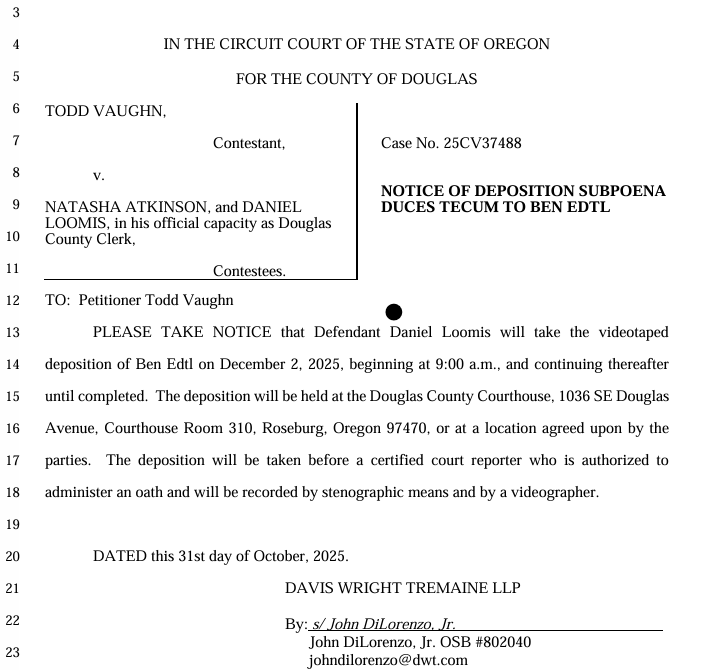
Why?
The report entered the election litigation.
During the deposition of former CEO Ben Edtl, allegations contained in the RLS report were used in connection with the litigation surrounding Natasha Atkinson’s contested election.
The relationships had now converged.
Atkinson had participated in the RLS process.
Beam had participated in the RLS process.
Atkinson and Beam had previously served together on UEDP’s board.
Loomis, the election official defending the challenged election, had previously worked for UEDP.
And the report was now being used in litigation arising from Atkinson’s own election, to discredit the prior Board of Directors and Ben Edtl, a witness in the case.
The accuracy of that report would therefore matter enormously.
From a Compliance Report to a Political Narrative
The RLS report did more than criticize the management of a transit district.
It reinforced a much larger public narrative.
The people who had challenged Douglas County’s political establishment had already been grouped together and given a name:
The Roseburg Six.
Some had challenged incumbent Republican officeholders.

Some had fought for control of the Douglas County Republican Central Committee.
Some had taken seats on the UPTD Board.
Some had supported Ben Edtl.
Some had challenged the county’s election practices.
Now a state-commissioned report appeared to provide an official imprimatur for allegations of misconduct involving people associated with that same group.
The media connected with political insiders amplified those allegations.
But this wasn’t the first time a damaging narrative about UPTD had been amplified while contrary information struggled to receive the same attention. Just like the false radio report from Senator Brock Smith on KQEN, and the misinformation shared on Representative Osborne’s podcast, now, another damaging story about UPTD was moving rapidly through the media.
Only this time, it carried the authority of an official-looking compliance report.
And two of the people who had helped provide information for that report had another shared connection:
UEDP.
UEDP Appears Again
Then, in July 2026, UEDP announced that it had selected a new executive director.
It was Jeana Beam.
Beam wasn’t entering an unfamiliar organization.
She had already served on its board.
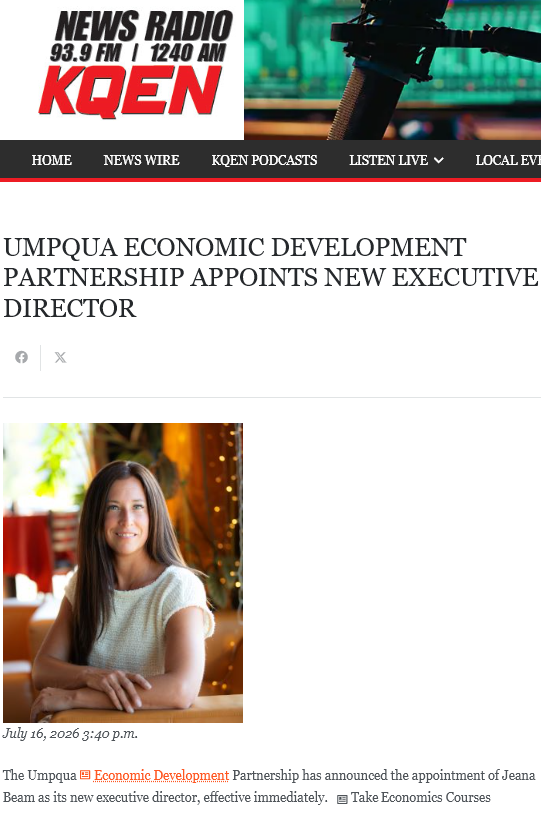
So had Natasha Atkinson.
And UEDP’s governing network extended well beyond the two women.
The same 2024 IRS filing identifies Jim Forrester, Michael Widmer, Toby Luther, Tim Powell, Brent Eichman, Sam Carter and Jeff Johnson among its directors. Matt Kowal appears among the organization’s members.
By the time Beam was selected as executive director in 2026, Kowal was UEDP’s outgoing board chair.
It was Kowal who publicly announced Beam’s appointment, praising her leadership and saying she was the right person to lead the organization into its next chapter.
The circle had tightened again.
Years earlier, Dan Loomis had gone to UEDP after withdrawing from the commissioner race and endorsing Tom Kress.
At the time, Commissioner Chris Boice sat within UEDP’s governing structure.
Loomis then left UEDP and was appointed county clerk by Commissioners Boice and Freeman.
Years later, Jeana Beam and Natasha Atkinson served together as UEDP directors.
They then became UPTD directors.
Atkinson’s election became the subject of Vaughn v. Loomis.
Beam and Atkinson participated in the damaging RLS Report aimed at the political opponents of Douglas County incumbents.
The resulting report was used in the controversy surrounding Atkinson’s election.
And then Beam was selected for UEDP’s top paid position.
UEDP had appeared at both ends of the story. But were the incidents connected?
The Same Names Keep Appearing
Any one of these events could be viewed in isolation.
A candidate drops out of a race.
Someone gets a job.
Commissioners make an appointment.
Two nonprofit directors run for seats on another public board.
A state agency commissions a report.
A nonprofit hires a new executive director.
Taken separately, each event has its own explanation.
But Douglas County’s recent political history becomes much harder to understand when the events are separated from one another.
Because the same names keep appearing.
The same institutions keep appearing.
And the same relationships repeatedly cross the boundaries between electoral politics, county government, nonprofit organizations, economic development and independently elected public boards.
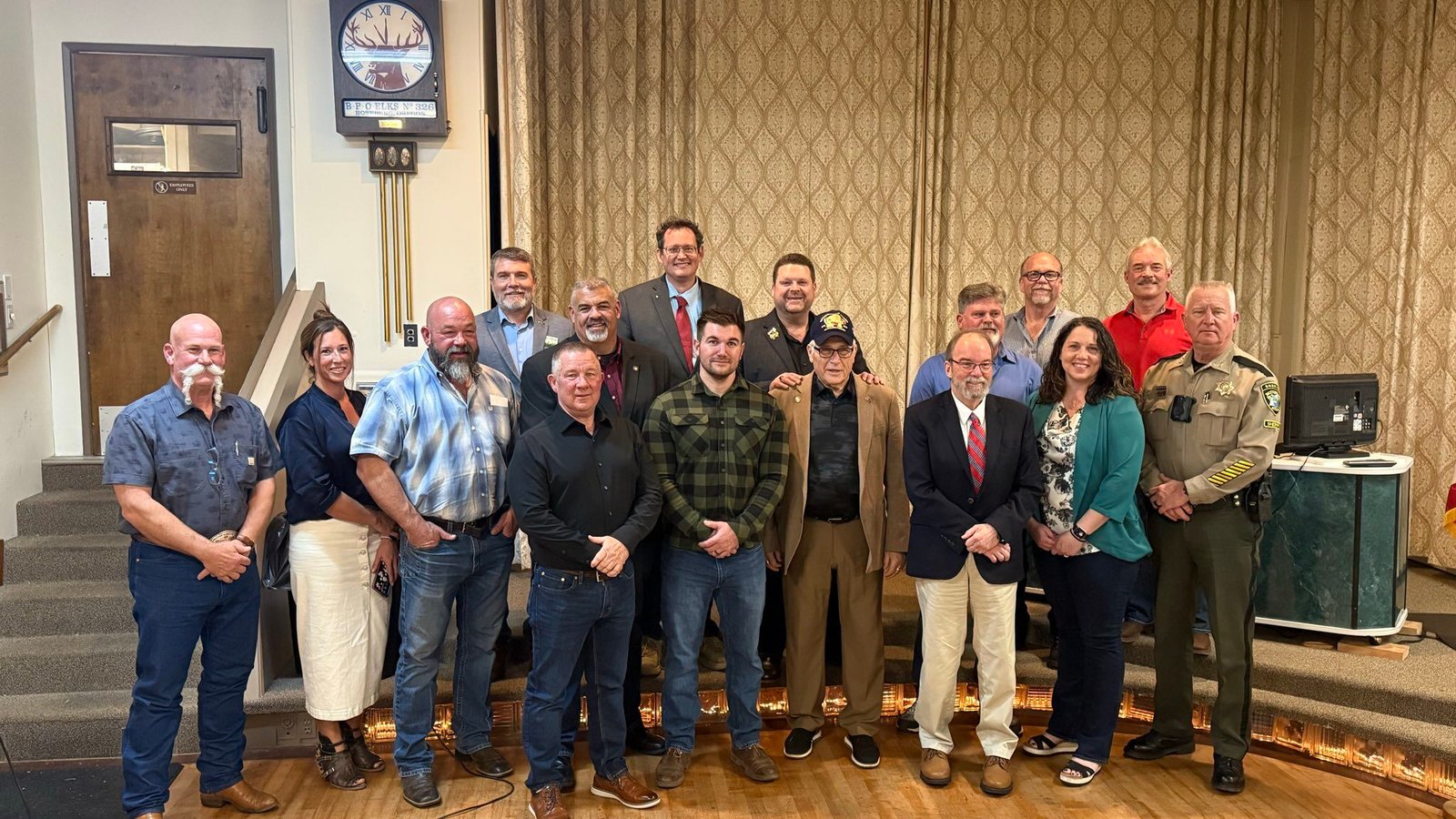
Dan Loomis.
Tom Kress.
Chris Boice.
Tim Freeman.
Virgle Osborne.
Natasha Atkinson.
Jeana Beam.
And repeatedly, UEDP.
The story wasn’t simply about who controlled UPTD.
It was becoming a story about who controlled the institutions surrounding it—and what happened to the people who challenged that control.
Power, Money, and the Commissioner Race
By the time the fight inside the Douglas County Republican Party had quieted, another story was already developing.
This one wasn’t about control of a political party.
It was about control of county government.
And once again, many of the same people were standing surprisingly close to the center of it.
Jeana Beam and the Commissioners
Jeana Beam was not simply a community volunteer who occasionally crossed paths with Douglas County government.
She had a longstanding professional relationship with organizations intertwined with county government and economic development.
Beam served as Executive Director of Glide Revitalization, a nonprofit organization that became heavily involved in recovery efforts following the Archie Creek Fire. The position was paid. Public IRS filings show her compensation increasing from $61,000 to $90,000 and ultimately $96,549.
And the relationship between Glide Revitalization and Douglas County was unusually close.
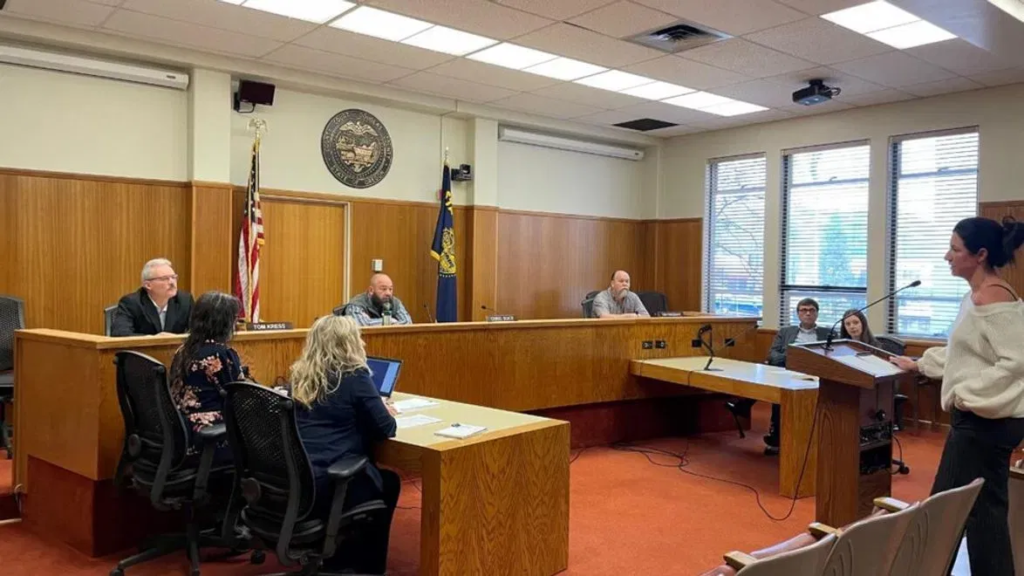
In March 2023, Commissioners Tom Kress, Chris Boice and Tim Freeman publicly welcomed Beam to a Board of Commissioners meeting. The county’s own announcement stated that the commissioners had “long supported” Glide Revitalization and had made supporting the organization and Archie Creek recovery a priority throughout county government.
Beam herself later publicly thanked the commissioners for that relationship, describing the “tremendous support from the County” provided to Glide Revitalization’s work.
The connection went beyond Glide Revitalization.
Beam also serves on the Douglas County Parks Advisory Board—an entity whose members are appointed by the Board of Commissioners and which advises the commissioners themselves.
Then, in July 2026, Beam moved into another significant position.
She was appointed Executive Director of the Umpqua Economic Development Partnership, or UEDP, an organization whose work places her directly alongside local governments, businesses and other institutions involved in Douglas County’s economic development. And the position historically pays six figures.
Once again, this wasn’t volunteer work.
It was a professional position.
And by then, another political battle was underway.
Chris Boice Already Knew
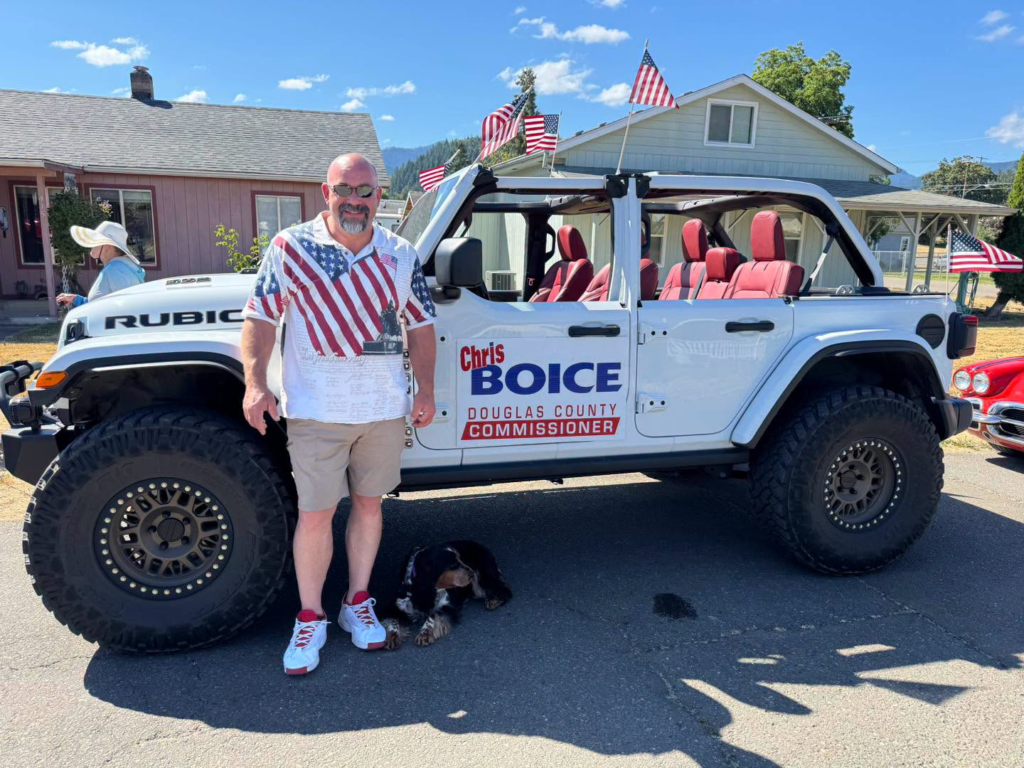
Long before most Douglas County voters knew there would be a serious challenge for Commissioner Position 3, Chris Boice had reason to know that Steve Hammerson was considering running against him.
That matters because political campaigns don’t begin on filing day.
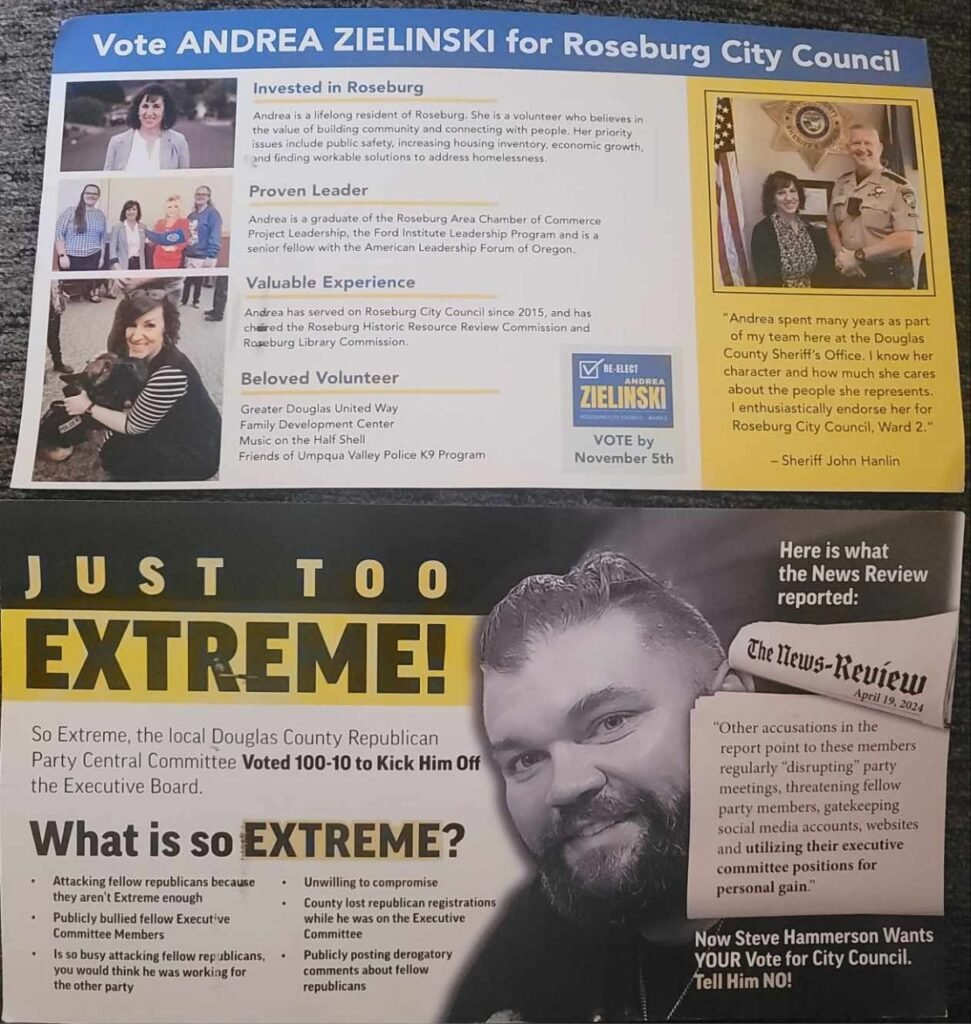
They begin when potential challengers start talking to people, building relationships and deciding whether they are willing to put their names on a ballot.
Steve Hammerson eventually did exactly that.
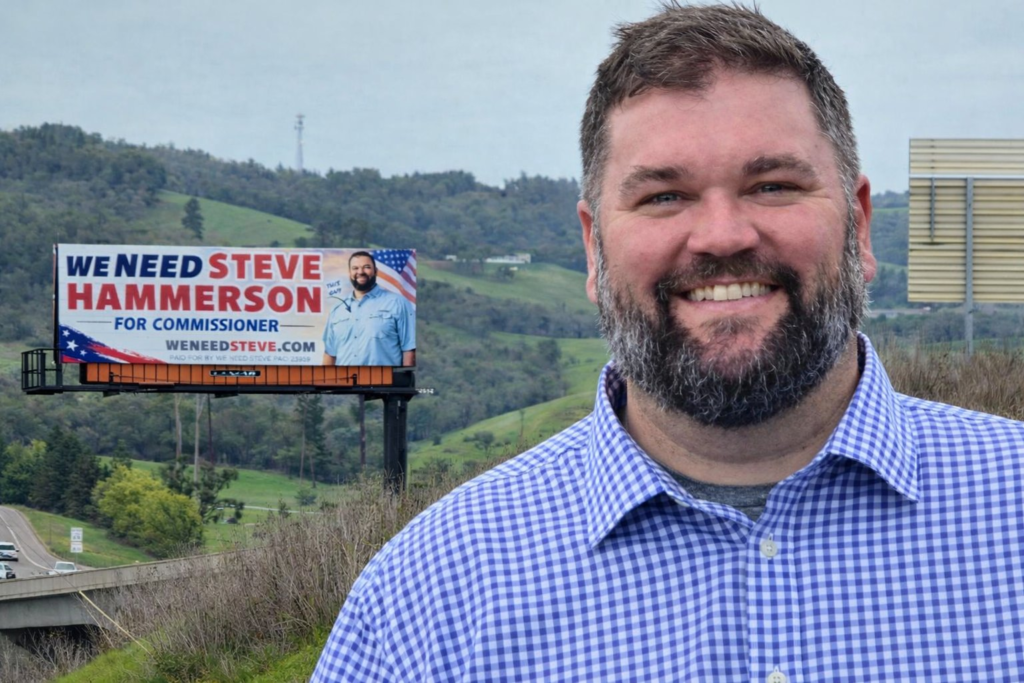
He entered the race for Douglas County Commissioner Position 3 against incumbent Chris Boice.
Hammerson was not coming into the race as a political unknown. He was already serving on the Roseburg School Board. His wife, Michaela Hammerson, had served in Republican Party leadership and as an elected director of the Umpqua Public Transportation District.
And both had already experienced what happened when they challenged established political relationships in Douglas County.
A New Front
By 2025 and 2026, attention increasingly turned toward Umpqua Public Transportation District.
Michaela Hammerson had become Chair of UPTD during a period of extraordinary upheaval. Five of seven longtime directors had resigned during 2024. The district was dealing with financial problems and a dispute with ODOT. A new general manager had been hired.
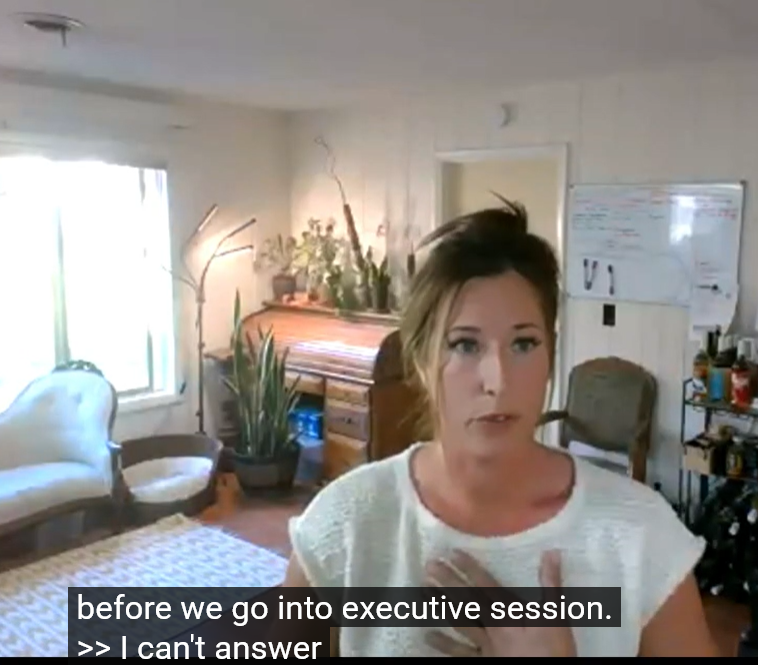
Then another series of controversies began.
And once again, Jeana Beam appeared in the story—this time not merely through Glide Revitalization or economic development, but through UPTD itself.
The significance wasn’t simply that Beam participated in public affairs. Many people in a small county serve in multiple organizations.
It was the accumulation of relationships.
Beam had received substantial compensation through Glide Revitalization and was in control of large funding for wildfire and other disaster relief.
The Douglas County Commissioners publicly described themselves as longtime supporters of that organization.
Beam served on a county advisory board appointed by those commissioners.
Meanwhile, Steve Hammerson was preparing to challenge one of those commissioners.
A Narrative Takes Shape
By spring 2026, the conflict at UPTD had escalated.
On May 1, Michaela Hammerson was directed to return “all District property and records” and warned of a planned censure. She responded that she possessed no original District records and said the official materials remained within District-controlled systems.
Then, at the May 18 meeting, Natasha Atkinson moved to exclude Hammerson from executive session because she “may have a legal conflict of interest.” Jeana Beam joined Atkinson and two other directors in voting to exclude her.
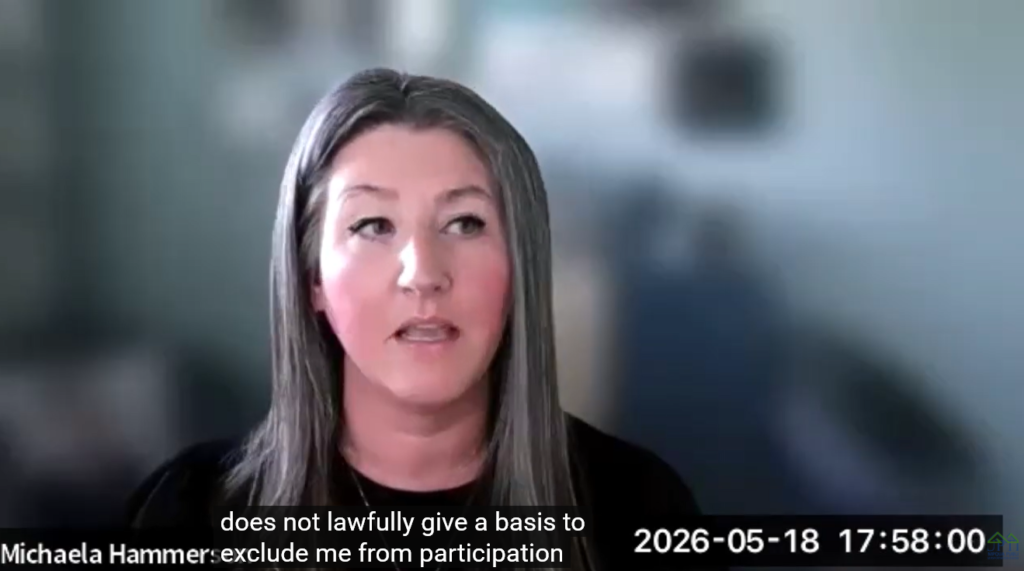
Afterward, the Board authorized up to $35,000 for an outside investigation into missing District property and records. Beam and Atkinson voted yes. Hammerson cast the only no vote.
But Michaela had already been raising concerns of her own. For months, she had challenged the handling of the RLS report, requested records from Board leadership and, on February 27, notified Beam that she was seeking a federal investigation involving ODOT, RLS and the report’s use in litigation.
She characterized what followed as retaliation.
Whether retaliation motivated the Board’s actions isn’t established by these records. But by then, the dispute at UPTD had moved beyond policy disagreements and into investigations, accusations and public money—all while Michaela’s husband was running for County Commissioner.
The Election Before the Election
This is where the chronology becomes important.
Before voters would decide whether Chris Boice should remain a Douglas County Commissioner, Steve and Michaela Hammerson increasingly found themselves at the center of public controversies.
Michaela’s leadership at UPTD was attacked.
Steve’s political associations became part of the conversation.
Events involving UPTD, its former general manager, missing-record allegations, and internal investigations created headlines and controversy around people closely associated with the Hammersons.
None of those facts, standing alone, proves that the controversies were manufactured to affect Steve Hammerson’s campaign.
But the timing raises a legitimate question:
Was the Commissioner election effectively beginning before voters realized there was an election underway?
If Chris Boice already knew before the campaign became public that Steve Hammerson intended to challenge him, and if Jeana Beam had longstanding financial and institutional relationships with organizations supported by the Douglas County Commissioners, then what should voters make of an escalating public controversy portraying Steve Hammerson’s wife as a problem at another public agency?
There is not enough evidence in these records to state that Boice directed the UPTD actions, that Beam acted at his request, or that the investigation was created for the purpose of damaging Steve’s campaign.
But neither should those relationships and the chronology simply disappear from the story.
And that brings the story back to where it began.
Sometimes an election doesn’t begin when the ballots arrive.
Sometimes it begins much earlier, with relationships, public money, investigations and the stories voters are told about a candidate and his family before they ever decide whom to trust.
Because Chris Boice already knew Steve Hammerson intended to challenge him.
And once that is understood, events involving Steve and Michaela cannot be viewed only through the lens of transportation-district politics. They were also occurring against the backdrop of an approaching election in which Steve would ask Douglas County voters to remove an incumbent commissioner.
Follow the Relationships
There is a temptation to look at each controversy separately.
The DCRCC fight. The Roseburg Six. Dan Loomis. UEDP. Glide Revitalization. UPTD. And eventually, the race for County Commissioner.
But the same names kept appearing.
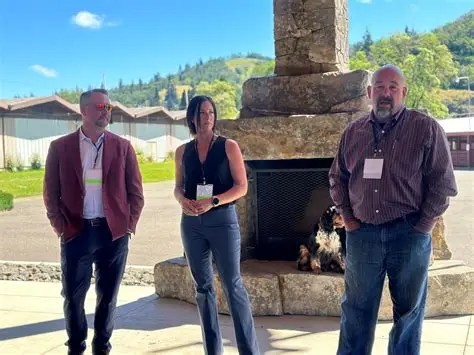
David Brock Smith was at the center of the fight that divided the DCRCC. County Commissioners Chris Boice, Tim Freeman and Tom Kress joined other elected officials in supporting the removal of the Roseburg Six.
Dan Loomis withdrew from the 2018 commissioner race, endorsed Kress, went to work for UEDP, and later was appointed County Clerk by Commissioners Boice and Freeman.
Jeana Beam’s path crossed many of the same institutions. She worked for Glide Revitalization, an organization the commissioners themselves said they had “long supported,” and was appointed by the commissioners to the Douglas County Parks Advisory Board. She would later appear in the UEDP and UPTD chapters of the story.
Natasha Atkinson would appear in those overlapping organizations as well.
And then Steve Hammerson entered the race for County Commissioner.
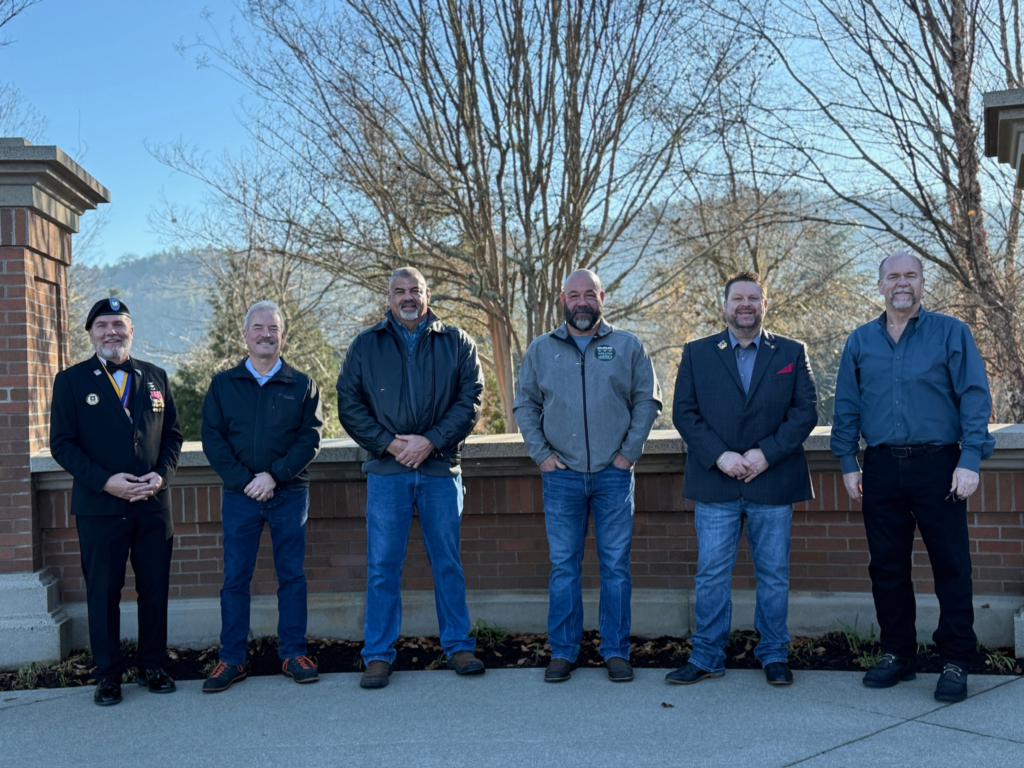
None of those relationships, standing alone, proves wrongdoing.
But taken together, they explain why the controversies in this story cannot be understood entirely in isolation. The organizations changed. The offices changed. The disputes changed.
Many of the people did not.
By the time Steve Hammerson challenged Chris Boice, the political conflicts involving his wife and many of the people surrounding county government had already been unfolding for years.
The question wasn’t whether these people knew one another.
They plainly did.
The question was whether those relationships had any bearing on which information made it into the media and public conversation; and that is where the final chapter begins.
The Final Chapter
For years, the names have repeated.
The offices have changed. The organizations have changed. The controversies have changed.
But many of the relationships have remained.
The fight over David Brock Smith led to the Roseburg Six. The commissioners entered that fight. Dan Loomis entered it. UEDP appeared. Glide Revitalization appeared. UPTD followed. And again and again, people who challenged established officials found themselves facing battles that extended far beyond a single election or public meeting.
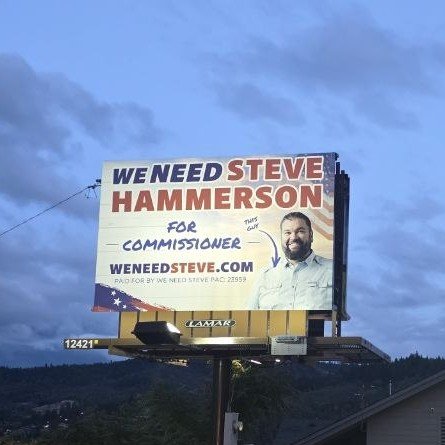
Whether those events represent coordinated political retaliation is ultimately something the evidence, and the reader, must judge. The documented relationships and chronology establish the overlap; they do not, by themselves, establish a coordinated “cabal.”
But this story no longer ends with the Roseburg Six.
It ends with an election.
Chris Boice is seeking another term as Douglas County Commissioner. Steve Hammerson is challenging him. Douglas County officially lists both men as candidates for Position 3.
And on November 3, 2026, the decision belongs to the people of Douglas County.
They will decide whether to continue with the leadership they have, or choose something new.
This time, the voters write the final chapter.
About The Author