The Cost of a Cover Up
Douglas County taxpayers are now absorbing the financial fallout from a political decision they never voted for—and were never told about.
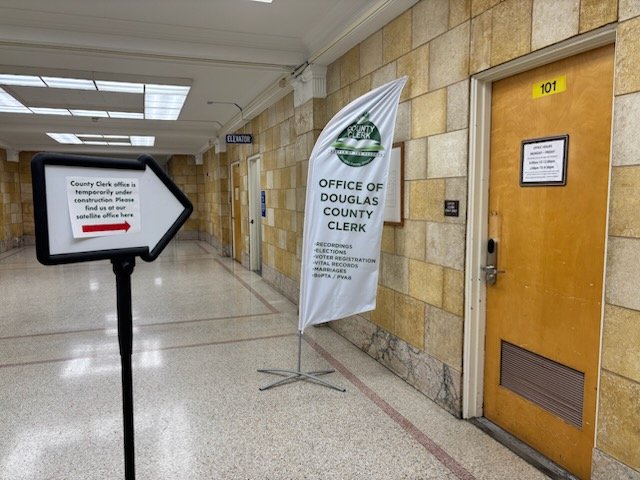
A remodel is underway inside the County Clerk’s office. Documents have been removed. Operations disrupted. At the same time, a high-powered Portland attorney, DiLorenzo, has appeared in matters connected to the Clerk. Yet the public has been given no clear explanation of when the remodel was planned, how much it will cost, or—critically—who is paying the attorney.
These costs did not arise in a vacuum. They trace back to one avoidable act: County Clerk Dan Loomis signing a politically motivated letter calling for the recall of six local Republican officials known as the “Roseburg Six.”
That decision triggered a chain of events Douglas County residents are now paying for.
A Political Act With Public Consequences
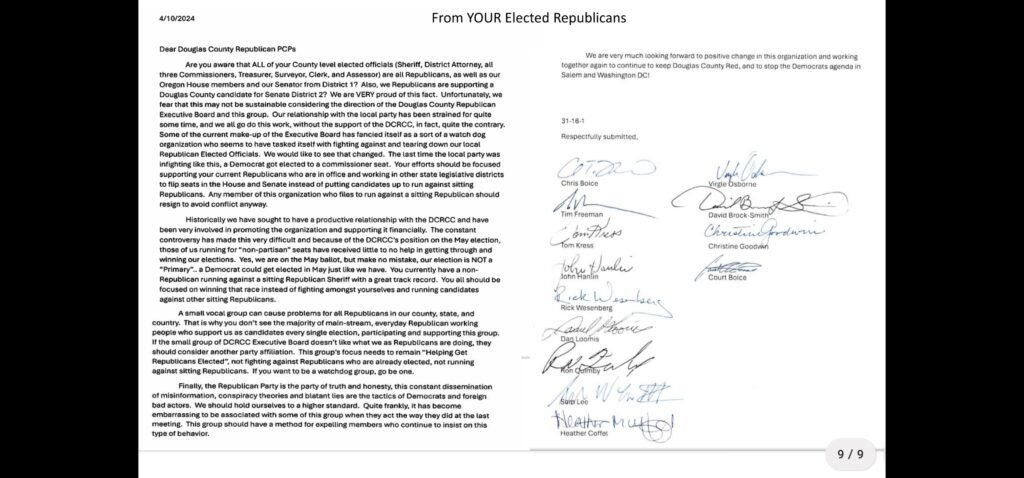
In April 2024, a letter circulated to Republican Precinct Committee Persons urging the removal of six party members who had been raising concerns about internal corruption, conflicts of interest, and alleged quid pro quo involving county and state officials. read more from the DCRCC newsletter The letter was signed by multiple elected officials—including the County Clerk.
This was not a neutral communication. It was not informational. And it was not required by law.
The Roseburg Six were inconvenient because they were connecting dots—questioning alleged coordination between County Commissioner Tim Freeman and State Senator David Brock Smith, including efforts to secure Freeman additional years in office without an election and the subsequent appointment process for Senator that followed. read more at Redoubt News, listen at 18 minutes 2023 session HB 2244
They also raised concerns about retaliation against local media voice Rob Taylor and Senator Brock Smith’s secret support for former President Joe Biden, Governor Kate Brown, and windmills off the coast of Oregon.
Silencing the Six removed internal opposition during Brock Smith’s primary election. But it also created legal exposure.
From Retaliation to Litigation
That exposure surfaced publicly in Vaughn v. Loomis, litigation that highlighted a troubling accountability gap in Oregon election law—one that appears to leave voters without a remedy when ballots are not counted.
As scrutiny intensified, so has the County’s response. Every Douglas County judge recused. Records became harder to obtain. And then, quietly, the Clerk’s office began a remodel during active litigation and after discovery was ordered.
At the same time, outside legal counsel from Portland entered the picture.
Which brings us to the money.
Who Is Paying the Lawyer?
As of this writing, the Clerk has refused to disclose who is paying attorney DiLorenzo.
That refusal matters.
When an elected official’s actions create legal exposure, the public has a right to know whether taxpayers are footing the bill—or whether other interests are involved.
Because the Clerk will not answer, only three realistic possibilities exist:
- Douglas County is paying, meaning taxpayers are funding outside counsel to address consequences of a political act unrelated to the Clerk’s statutory duties.
- The Clerk’s office budget is paying, diverting election administration resources to legal defense.
- A third party is paying, raising serious ethical concerns about influence, conflicts of interest, and undisclosed relationships.
If any of these scenarios are inaccurate, the Clerk could resolve the issue immediately through disclosure. He has chosen not to.
Silence, in this context, is not neutral.
The Remodel No One Can Explain
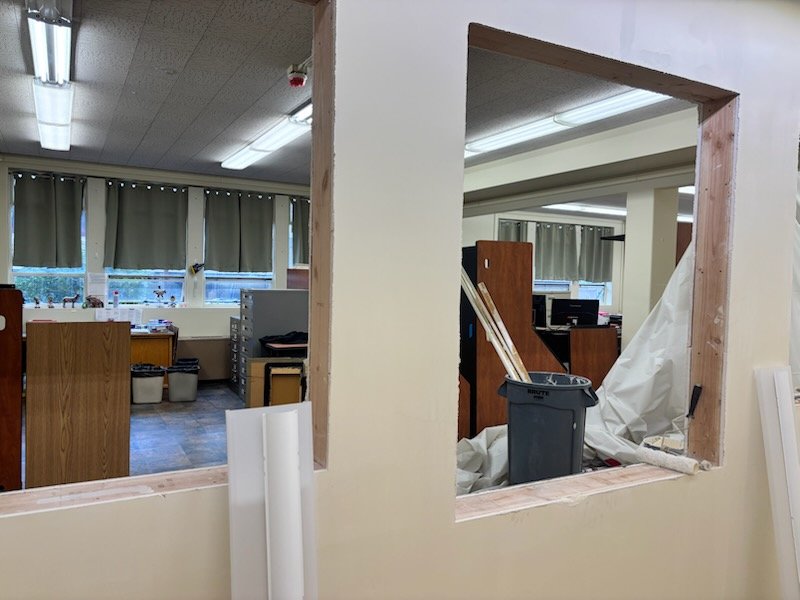
Renovations do not happen spontaneously. They are planned, approved, and funded. Yet no clear public record has been produced showing when the Clerk’s office remodel was authorized, why it is occurring now, or how much it will cost.
The timing is impossible to ignore: documents removed, space altered, and operations disrupted during ongoing legal disputes.
Whether intentional or not, the effect is the same—reduced transparency at the moment transparency is most needed.
And all of it costs money.
The Taxpayer Is Already Paying
Regardless of who is paying DiLorenzo directly, Douglas County residents are already absorbing indirect costs:
- Staff time diverted to legal coordination
- Delayed or denied public records responses
- Operational disruption during an unexplained remodel
- Reputational damage requiring “management” rather than correction
These are not abstract harms. They translate into real dollars and diminished public trust.
And they stem from a single choice: the Clerk stepping outside his role as a neutral elections administrator and into a partisan puppet master.
Personal Acts Should Carry Personal Costs
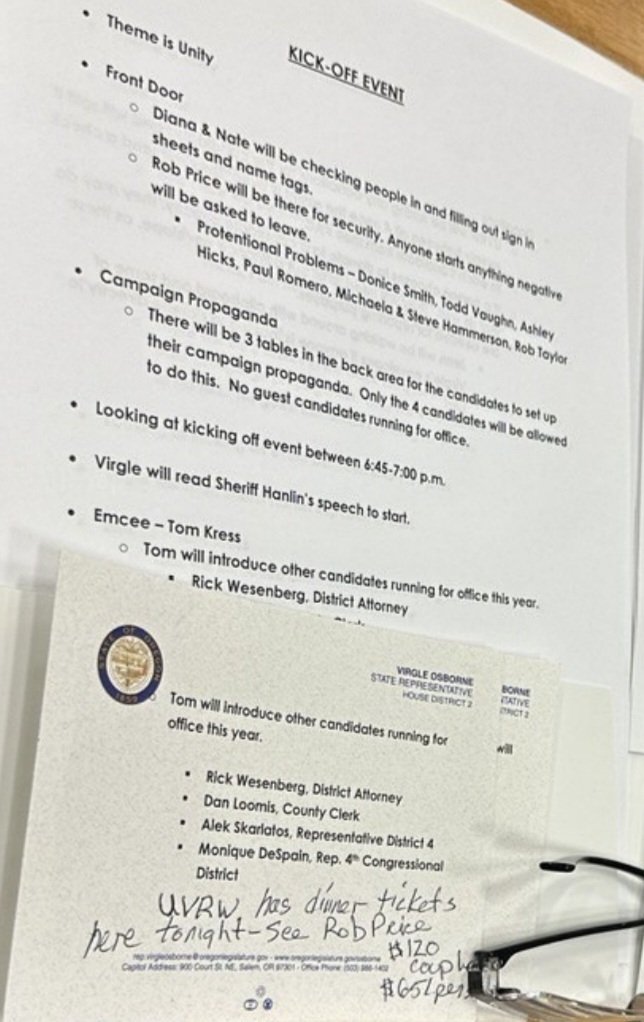
County officials are typically indemnified for actions taken in good faith within the scope of their official duties.
Signing a politically motivated recall letter targeting internal party critics—while serving as the county’s chief elections officer—does not clearly fall within that scope. Neither does his participation in candidates’ campaign parties and ballot harvesting events for elections that he oversees.
If the County is paying for the consequences of those acts, it should explain why.
If the Clerk’s office is paying, the public deserves to know how much.
If a third party is paying, transparency is not optional—it is essential.
The Real Cost of the Cover Up
Cover-ups are expensive. Not because truth is costly, but because avoiding it requires lawyers, renovations, and silence.
Douglas County did not ask for this fight.
Douglas County did not benefit from this letter.
And Douglas County should not be paying for it.
The cost of this cover up is not just measured in dollars—it is measured in eroded trust, compromised neutrality, and a growing belief that political insiders play by different rules than the public they serve.
Taxpayers are still waiting for answers.
And the bill is still running.
About The Author